A posture reset is a 50-second check before you speak: lengthen up through the crown of your head, let your shoulders drop, keep your chin level and stand evenly on both feet. It doesn’t change your voice by itself. It takes the slump and the forward-poking head out of the way, so your belly and lower ribs can move freely and your breath can carry each sentence.
How to do posture reset
- Plant both feetStand with your feet about hip-width apart, weight spread evenly, knees soft rather than locked. If you’re sitting, sit toward the front of the chair with both feet flat on the floor.
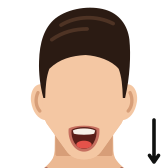
- Lengthen through the crownImagine a string gently lifting the top of your head toward the ceiling. Let your spine grow long without arching your lower back or puffing out your chest.
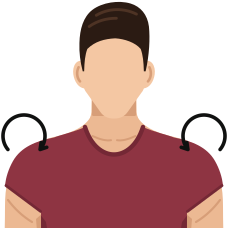
- Let your shoulders dropLift your shoulders a little, then let them slide down and slightly back. Let your arms hang and your hands go loose.
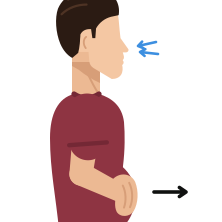
- Level your chinBring your head back so your ears sit roughly above your shoulders, chin level, as if you were talking to someone your own height. Don’t tuck it in or tip it up.
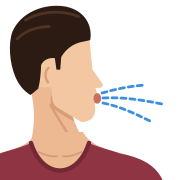
- Breathe low and checkTake three slow breaths through your nose and feel your belly and lower ribs move while your shoulders stay still. Then say one sentence out loud and notice how it feels.
Your cue: Crown up, shoulders down, chin level, weight on both feet.
What it should feel like
Tall but not stiff. Your neck feels long, your shoulders feel heavy and low, and there’s no pull across the front of your throat. When you breathe in, the movement happens around your waist rather than up at your collarbones, and a spoken line feels a little easier to finish. If you feel like a soldier on parade, you’ve overdone it: soften your knees, let your shoulders drop again and keep breathing.
Why it helps
Your breath powers your voice, and a slumped chest or a head pushed forward leaves less room for the belly and lower ribs to move. That’s why voice therapy often starts with posture: the American Speech-Language-Hearing Association lists sitting upright with the shoulders low and relaxed among the ways clinicians help people use their voice with less effort. NHS voice clinics use the same picture you’ll find in the app: a string from the top of your head, head balanced over the spine, neck long, shoulders low (West Suffolk NHS voice service).
Posture and tension travel together. Under stress, shoulders creep up, breathing gets shallow and the voice tightens with them, and a West Suffolk NHS leaflet on posture, tension and stress suggests paying attention to your head position through the day for exactly this reason. A quick reset before you speak is a way to notice the slump and undo it before it reaches your voice.
To be clear about the evidence: there’s little research on posture cues by themselves. They’re a standard first step in voice therapy and voice teaching, not a tested treatment, and good posture won’t make your voice lower. What it does is make low, easy breathing possible, and that is the base for a steadier, fuller sound. Follow it with belly breathing, or read how to get a deeper, fuller voice for the bigger picture.
Common mistakes
- Pulling the shoulders right backSqueezing your shoulder blades together just swaps one tension for another. Let the shoulders drop first, then only slightly back.
- Lifting the chinA raised chin stretches and tightens the front of your neck. Keep your gaze level.
- Locking the kneesLocked knees make you rigid and can leave you lightheaded if you stand for a while. Keep them soft.
- Holding the belly inA tight stomach blocks low breathing. Let your belly move when you breathe in.
Make it easier or harder
Easier
Do it sitting, back supported, both feet flat and hands resting on your thighs. Or stand with your heels a few inches from a wall and let your back and the back of your head rest lightly against it.
A step further
Keep the posture while you read a paragraph aloud, checking every few lines that your shoulders haven’t crept up and your head hasn’t drifted forward.
Safety: Stand tall without forcing anything: if a position strains your back or neck, ease off. If you have a back or neck condition, sit, and follow your doctor’s or physical therapist’s advice.
Where it fits
In the DEEP VOICE app, posture reset is part of 3 ready-made warm-ups:
- Morning voice (6½ min): Wake a sleepy voice gently, without forcing it.
- Breath support (6 min): Breathe low so your voice has something to stand on.
- Full voice workout (9 min): Breath, release, resonance and projection. The complete set.
Read more in Speak from your diaphragm, Vocal warm-up for speaking and Voice projection exercises.
Questions people ask
Does posture affect your voice?
Yes, indirectly. Slumping or pushing your head forward makes it harder to breathe low and adds tension around the neck and jaw, which can make a voice sound tight or thin. Good posture doesn’t create a voice, but it clears obstacles out of its way.
What is the best posture for public speaking?
Feet about hip-width apart with your weight on both feet, knees soft, spine long, shoulders low and chin level. Stay relaxed enough that you could move or gesture at any moment. Reset whenever you notice yourself shrinking or leaning in.
Can good posture make your voice deeper?
It won’t change the pitch your anatomy gives you. It can help your voice sound fuller and steadier by giving your breath room and taking tension off your throat, which many people hear as a deeper, more grounded voice.
Should I stand or sit when I speak?
Either works if your spine is long and your shoulders are loose. For an important call, many people find that standing helps them breathe and sound more energetic. If you sit, sit toward the front of the chair with both feet on the floor.
Sources
- Voice disorders (Practice Portal), American Speech-Language-Hearing Association (ASHA)
- Loosening movements: shoulders and neck, West Suffolk NHS Foundation Trust, Speech and Language Therapy Voice Service
- Posture, tension and stress, West Suffolk NHS Foundation Trust
Your voice, safely
- Stay in your comfortable range. Never push your voice below what feels easy.
- No pressing on your throat or voice box, and no vocal fry or creak as a technique.
- Stop if it hurts or feels hoarse, scratchy or tired. Drink water and rest your voice.
- Hoarse for more than four weeks (sooner if you smoke), pain when you speak or trouble breathing? See an ENT doctor or a speech-language therapist.
These exercises are voice practice, not medical treatment. More on voice safety.